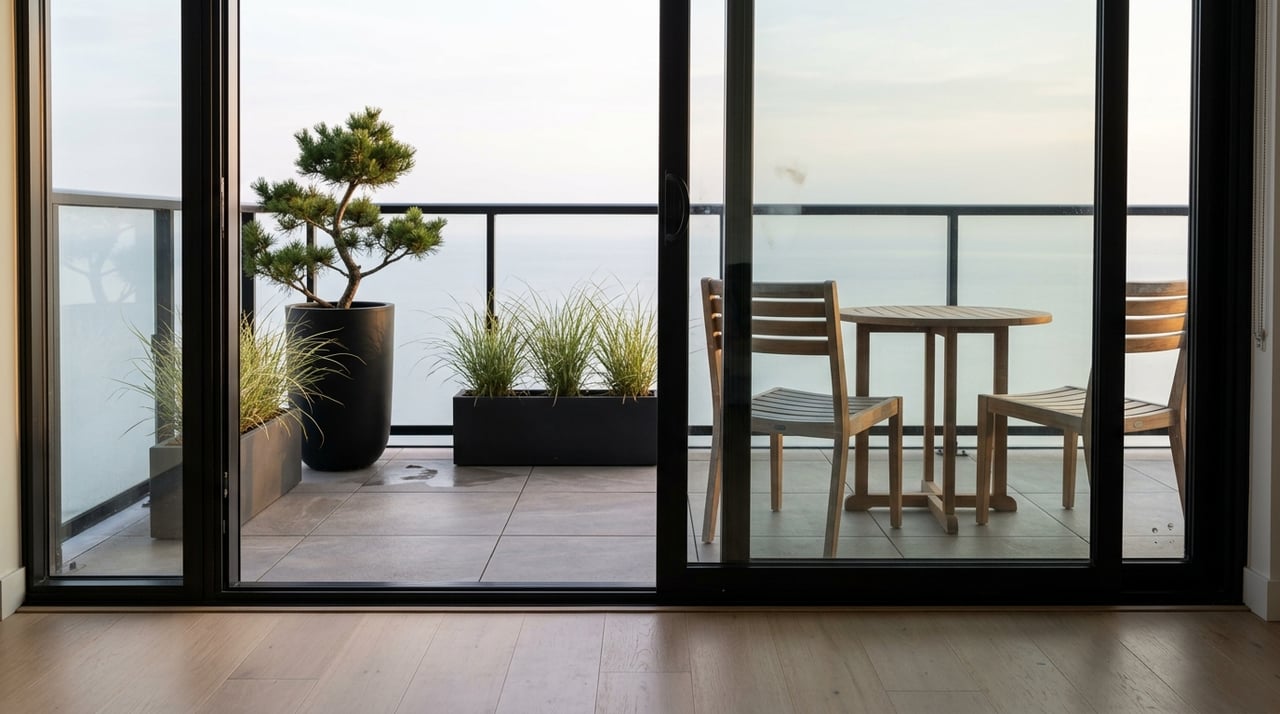
If you picture waking up steps from the lake, grabbing a coffee, and fitting a waterfront walk into your regular routine, Harbourfront likely feels appealing for a reason. But day-to-day life here is not just about scenic views. It is about living in one of Toronto’s most active, public, and connected waterfront districts. If you are wondering what it is really like to live in Harbourfront, this guide will help you understand the rhythm, trade-offs, and everyday conveniences that shape the area. Let’s dive in.
Harbourfront lifestyle at a glance
Harbourfront is best thought of as a downtown waterfront district with constant movement, not a quiet pocket tucked away from the city. Harbourfront Centre describes the area as a waterfront community campus for arts, culture, learning, and recreation, with year-round programming across 10 acres and more than 6.3 million annual visitors.
That matters because it shapes how the neighbourhood feels on an ordinary Tuesday just as much as on a summer weekend. You get immediate access to the lake, public space, transit, food options, and cultural events, but you also share that access with visitors, cyclists, ferry riders, and event crowds.
What daily life feels like
For many residents, the biggest draw is how easy it is to build the waterfront into your routine. Queens Quay and the connected trail network make it simple to head out for a walk, a bike ride, or just a few minutes by the water before or after work.
The public realm here was designed to be open and multi-use. That creates a lively, active atmosphere, but it also means your everyday surroundings are shared with a wide mix of people moving through the area throughout the day.
Walking and cycling are part of the routine
The Queens Quay revitalization added a dedicated LRT lane and a recreational trail, helping make the waterfront easier to navigate without a car. Nearby public spaces also connect Harbourfront to Sugar Beach, HTO Park East and West, Toronto Music Garden, the Martin Goodman Trail, and the Spadina, Rees, and Simcoe wave decks.
If you enjoy being outside, that network is one of Harbourfront’s biggest lifestyle advantages. You are not limited to one short boardwalk or a single park. You have a broader stretch of public waterfront that supports walking, cycling, and casual outdoor time as part of day-to-day life.
Food and culture stay close to home
Harbourfront Centre adds another layer to daily living here. Its programming includes festivals, music, exhibitions, workshops, and performing arts, while its food and retail offerings include casual brewhouse fare, coffee, tacos, ice cream, and market-style vendors.
In practical terms, that gives the neighbourhood a destination feel even when you are not planning a big outing. A simple evening can turn into a walk by the lake, a quick bite, and live activity nearby without much effort or planning.
Getting around from Harbourfront
One of Harbourfront’s strongest features is access. If you want a location where transit and walkability reduce your need to drive, this area stands out.
Jack Layton Ferry Terminal sits at 9 Queens Quay West, at the Queens Quay West and Bay Street intersection. The City of Toronto says the terminal is served by TTC subway, bus, streetcar, and Wheel-Trans, with Bike Share stations nearby.
Transit is built into the area
The Queens Quay corridor is closely tied to waterfront transit service, which helps connect Harbourfront to the rest of downtown. That convenience supports a car-light lifestyle, especially for condo buyers who prioritize location and access over parking and driving.
That said, waterfront transit can also be affected by maintenance work. TTC advisories in spring 2026 showed temporary changes to 509 Harbourfront and 510 and 310 Spadina service in and around the Harbourfront Tunnel, which is a useful reminder that service disruptions can be part of urban waterfront living.
Ferry access is a real lifestyle perk
Living near the ferry terminal gives you straightforward access to Toronto Island Park. Ferries run year-round, with three routes operating from mid-April to mid-October to Centre Island, Hanlan’s Point, and Ward’s Island. In winter, service is reduced to a single route to Ward’s Island.
The terminal and ferries are accessible to passengers using wheelchairs or mobility-assisted devices. The City also notes that bicycles, strollers, wagons, and paddle crafts are allowed on board, which adds flexibility if you like active weekend plans.
Ferry crowds affect the feel of the area
The same convenience that makes Island access attractive also brings congestion during busy times. According to the City, the terminal is busiest on weekends and holidays, especially from 10 a.m. to 3 p.m. outbound and 5 p.m. to 9 p.m. inbound, when waits may exceed 30 to 60 minutes.
If you live nearby, that does not mean your entire day revolves around ferry lines. It does mean that peak periods can noticeably change the pace and crowd level around the waterfront. For some buyers, that energy is part of the appeal. For others, it is an important consideration.
How Harbourfront changes by season
Harbourfront is a four-season neighbourhood, but it does not feel the same all year. Nearby Toronto Island climate normals show an average daily temperature of -3.8°C in January and 21.0°C in both July and August.
The result is a location that stays usable in every season while becoming far more animated in warmer months. Summer brings heavier foot traffic, more outdoor activity, and a busier public realm. Winter can feel calmer, though the lakefront remains active and accessible.
Summer feels more energetic
When temperatures rise, Harbourfront’s mix of trails, parks, patios, festivals, and ferry traffic becomes more visible in everyday life. You may find that even routine errands or short walks feel more social and event-driven than they would in an inland neighbourhood.
For buyers who want built-in activity, this can be a major plus. If you like stepping outside and immediately feeling connected to the city, Harbourfront delivers that in a very direct way.
Winter feels different, not disconnected
In colder months, the waterfront naturally slows down. There is still year-round programming through Harbourfront Centre, but the overall pace outdoors tends to soften compared with peak summer conditions.
That seasonal shift is worth understanding before you buy. Harbourfront is not a neighbourhood with one fixed mood. It has a different texture depending on the time of year, which many residents enjoy but some buyers may want to think through carefully.
The trade-offs of waterfront living
Every strong lifestyle location comes with trade-offs, and Harbourfront is no exception. The same features that make it exciting can also make it feel less private and less predictable than quieter parts of the city.
Because Harbourfront Centre hosts year-round programming and draws millions of visitors, and because ferry traffic builds on weekends and holidays, the district generally feels lively rather than silent. If you are highly sensitive to noise, crowds, or public activity, that is something to weigh honestly.
Best fit for active, connected living
Harbourfront tends to suit buyers who want a highly walkable, transit-supported lifestyle with immediate access to culture, patios, parks, and island trips. It is especially well suited to people who value convenience and built-in activity more than a car-first routine.
This is often why the area appeals to downtown condo buyers. If you want your home base to connect easily to work, recreation, and the waterfront all at once, Harbourfront offers a compelling mix.
Less ideal for buyers seeking quiet
Harbourfront may be less suited to anyone who wants a very quiet setting or who is sensitive to event traffic, ferry lineups, crowd levels, or occasional transit service changes. That does not make it a negative choice. It simply means the lifestyle is more public and energetic than many inland neighbourhoods.
For the right buyer, that trade-off feels worthwhile. The key is knowing whether you want your surroundings to feel calm and tucked away or active and connected.
What buyers should think about
If you are considering a move to Harbourfront, the biggest question is not just whether you like waterfront views. It is whether you will enjoy the pace of life that comes with this location.
A good decision usually comes down to your daily habits. Ask yourself whether you want to walk often, use transit regularly, spend time outdoors, and live near public activity. If the answer is yes, Harbourfront can be a very strong fit.
You should also think practically about how you move through the city. If parking, quiet streets, and a more private environment are high priorities, another area may align better with your lifestyle.
Why local guidance matters in Harbourfront
Harbourfront is not a one-note market. Even within the district, the day-to-day experience can vary depending on building location, orientation, access points, and how close you are to heavier foot traffic or transit activity.
That is where experienced condo guidance matters. If you are buying or selling in a downtown waterfront market, you want advice that goes beyond broad neighbourhood labels and focuses on how a specific building and location actually live from one day to the next.
Whether you are searching for a low-maintenance waterfront condo or preparing to sell in a competitive downtown segment, working with someone who understands Toronto’s condo micro-markets can help you make a more confident move. If you are thinking about Harbourfront and want tailored advice on buildings, lifestyle fit, and current market positioning, connect with Amanda Beecham.
FAQs
What is daily life like in Harbourfront Toronto?
- Daily life in Harbourfront usually revolves around easy access to the lake, walking and cycling routes, transit, food options, cultural programming, and nearby ferry service to the Toronto Islands.
Is Harbourfront Toronto a quiet neighbourhood to live in?
- Harbourfront generally feels lively rather than quiet because of year-round programming, visitor activity, and ferry traffic, especially on weekends and holidays.
How walkable is Harbourfront Toronto for condo owners?
- Harbourfront is highly walkable, with Queens Quay, the recreational trail, and connected public waterfront spaces supporting regular walking, cycling, and car-light daily routines.
How does transit work in Harbourfront Toronto?
- The area is well connected by TTC subway, bus, streetcar, and Wheel-Trans service near the Jack Layton Ferry Terminal, though occasional service changes can affect waterfront streetcar routes.
Can Harbourfront residents easily access the Toronto Islands?
- Yes, Harbourfront residents have convenient access to the Jack Layton Ferry Terminal, where ferries run year-round, although peak weekend and holiday periods can bring longer waits.
Who is Harbourfront Toronto best suited for?
- Harbourfront tends to suit buyers who want a walkable, transit-supported downtown lifestyle with immediate access to waterfront public space, culture, patios, and island trips.