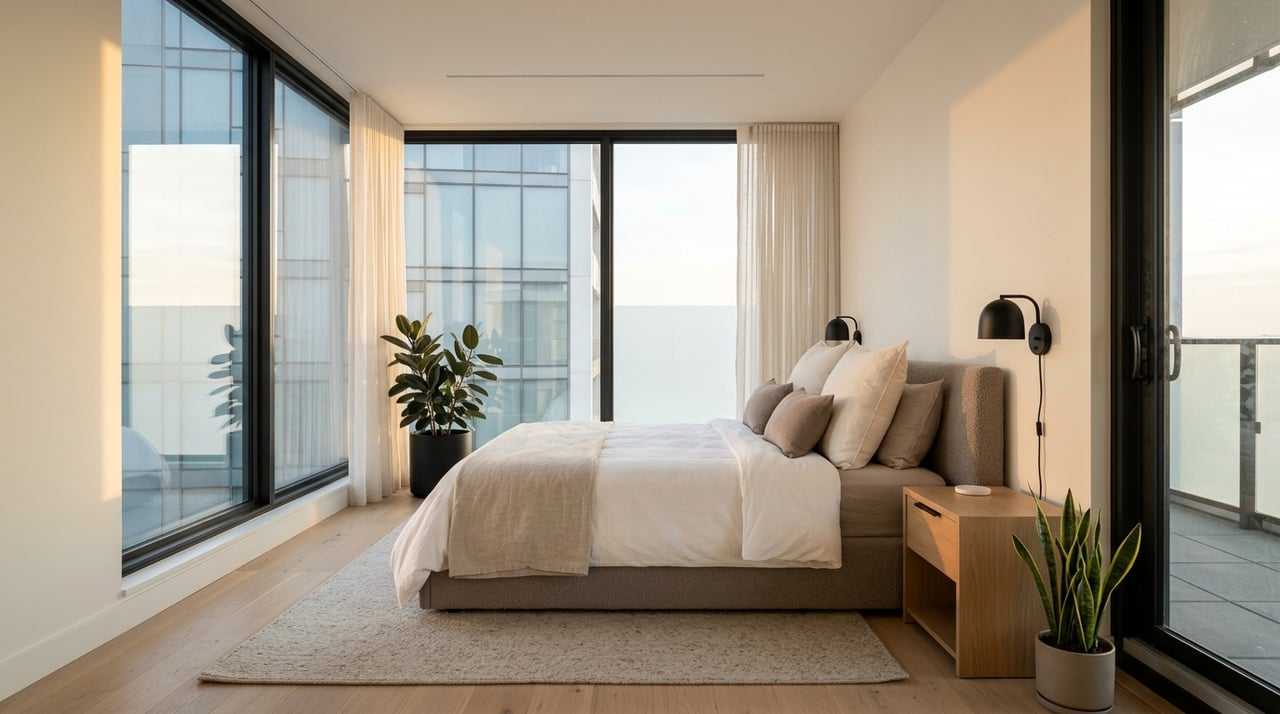
Selling a Harbourfront condo is not just about listing square footage. You are also selling light, views, balcony space, and a waterfront lifestyle that buyers can picture themselves enjoying every day. In a market where condo buyers have more choice and more room to negotiate, the way your home looks online and in person matters even more. If you want your condo to stand out, staging needs to tell a clear story from the first photo onward. Let’s dive in.
Why Harbourfront staging matters
Harbourfront is one of Toronto’s most lifestyle-driven condo markets. The area is shaped by waterfront access, public views of Lake Ontario, the Queens Quay promenade, the Martin Goodman Trail, the 509 Harbourfront streetcar, ferry access, and the arts and recreation draw of Harbourfront Centre.
That local setting changes how buyers evaluate a condo. They are not only comparing finishes and floor plans. They are also comparing natural light, exposure, outdoor space, and how easily the home connects to the waterfront feel of the neighborhood.
That matters even more in today’s market. According to TRREB’s Q1 2026 condo report, GTA condo apartment sales were down 11.3% year over year, active listings remained elevated, and the average condo selling price fell 9.1% year over year to $618,484. With buyers having substantial choice and negotiating power, strong presentation can help your listing feel memorable instead of interchangeable.
Start with the view line
In many Harbourfront condos, the most valuable staging feature is not a sofa or a rug. It is the sightline from the front door to the main window, balcony, lake view, or skyline exposure.
Your goal is to make that focal point obvious right away. Open blinds, simplify window treatments, and move furniture or decor that blocks the glass. Buyers should notice brightness and openness first, not visual clutter.
This approach also helps with photography. Clean sightlines and natural light make rooms feel larger and calmer online, which is where most buyers will first decide whether your condo is worth seeing.
Focus on the three rooms buyers notice most
If you are deciding where to spend time, energy, or staging dollars, keep your attention on the rooms that shape first impressions. The living room, kitchen, and primary bedroom consistently matter most when buyers picture life in a home.
Stage the living room for space and light
The living room is often the emotional center of a condo listing. It is also the room buyers’ agents most often identify as the most important to stage.
Use fewer, well-scaled pieces instead of trying to fill every corner. In a compact Harbourfront layout, removing one or two items of furniture can make the space look larger both in person and in photos.
Arrange seating to support conversation and keep the best window or balcony access visually open. If buyers can easily imagine relaxing with a coffee while looking toward the water or skyline, the room is doing its job.
Stage the kitchen for calm
In many Harbourfront condos, the kitchen is part of the main living area. That means clutter in the kitchen can make the whole home feel smaller and busier.
Clear counters as much as possible. Put away small appliances, extra containers, notes, and anything attached to the fridge. The kitchen should feel clean, efficient, and easy to maintain.
A simple bowl, a neatly placed tray, or one understated accent is usually enough. You want buyers to notice the layout, storage, and connection to the living space, not your daily routine.
Stage the primary bedroom for simplicity
The primary bedroom should feel restful, not over-designed. Buyers respond well to calm spaces that look easy to move into and easy to live in.
Keep bedding simple and tailored. Reduce extra furniture if the room feels tight, and limit personal items on dressers and nightstands.
In Harbourfront condos, bedrooms can vary widely in size. A simple setup helps buyers understand the room’s scale without distraction, which is especially important in online photos.
Treat the balcony like a bonus room
A balcony is a major selling feature in Harbourfront, especially when it connects to a water view, skyline view, or open-air feeling near the lake. It should never read as storage space in listing photos.
Sweep it, remove anything bulky, and keep furniture minimal. A small bistro set, two clean chairs, or a simple coffee setup can help buyers imagine actual use without crowding the space.
This is one area where less truly is more. The balcony should feel usable and relaxed, with the exposure and outlook doing most of the work.
Keep staging clean, not crowded
One of the biggest condo staging mistakes is trying too hard. Heavy styling, too many accessories, or oversized furniture can make a Harbourfront unit feel smaller and less authentic.
The better strategy is to create a polished, realistic version of the home. Buyers want help visualizing their future space, but they also want the condo to feel believable.
Aim for these staging basics:
- Remove clutter from floors, counters, and open shelves
- Edit furniture to improve movement and sightlines
- Keep decor minimal and neutral
- Let windows and natural light stand out
- Store personal photos, magnets, and distracting artwork
- Make every room feel functional and easy to understand
Prepare for photos before showings
For Harbourfront condos, photography is not the final step. It is part of the staging strategy from the beginning.
Most buyers start online, and high-resolution photos, video, and virtual tours play a major role in whether they book a showing. If the photos do not capture the condo’s brightness, layout, and lifestyle appeal, you may lose interest before anyone walks through the door.
Before the photo shoot, make sure your condo is spotless and visually quiet. Cameras tend to magnify clutter, awkward furniture placement, and distracting details that may feel minor in person.
Time photos to your condo’s exposure
Light changes quickly on the waterfront, and the right photo timing can make a real difference. A Harbourfront condo with lake exposure may look completely different in the morning than it does in the late afternoon.
A useful rule of thumb for scheduling photos is to match the shoot to the unit’s orientation:
- North-facing units: often photograph best from 10 a.m. to 2 p.m.
- East-facing units: often look best in the morning
- South-facing units: often perform well in early morning or early to late evening
- West-facing units: often photograph best in the afternoon into evening
The period just before sunset can also be especially flattering for balconies and outdoor views. If your condo’s value story includes terrace space, skyline light, or a calm waterfront feel, timing the shoot well can help those features stand out.
Build a listing story buyers remember
The strongest Harbourfront listings feel cohesive from the first image to the final showing. Instead of presenting your condo as just another downtown apartment, the goal is to create a story that feels specific to this part of Toronto.
That story usually starts with arrival, then moves quickly to the best view, the living room, the kitchen, the primary bedroom, and the balcony. If building rules and marketing plans allow for it, lifestyle images tied to the waterfront setting can reinforce the bigger picture buyers are looking for.
In Harbourfront, that bigger picture often includes:
- Lake Ontario views or reflected light
- Walkable access to the waterfront promenade
- Proximity to Queens Quay transit
- Outdoor access near the Martin Goodman Trail
- Nearby arts, culture, and recreation around Harbourfront Centre
When your staging supports that story, buyers are more likely to remember the listing after comparing it with dozens of other condos online.
A smart Harbourfront staging checklist
If you want a simple plan, start here before your condo goes live:
Before staging
- Identify your best view and main sightline
- Remove extra furniture that shrinks the room
- Clear window areas and open blinds
- Deep clean the condo from top to bottom
Before photography
- Remove counter clutter and fridge magnets
- Simplify art and personal items
- Style the balcony with minimal seating
- Check how natural light changes through the day
Before showings
- Keep the condo bright and tidy
- Refresh bedding and towels
- Make sure the balcony stays clean
- Maintain a calm, uncluttered feel in every room
Why details matter in a competitive condo market
When inventory is higher and buyers have options, details become part of your negotiation position. A well-staged condo can feel more move-in ready, more cared for, and easier to say yes to.
That does not mean staging guarantees a result on its own. It means strong presentation helps your pricing strategy, supports your marketing, and gives buyers fewer reasons to hesitate.
For Harbourfront sellers, that is especially important because the competition is rarely just the unit next door. It is every other condo offering light, views, and lifestyle in a buyer-friendly market.
If you are preparing to sell in Harbourfront, thoughtful staging can help your condo show its best features clearly and confidently. For a tailored plan that fits your unit, your building, and today’s market, connect with Amanda Beecham.
FAQs
What rooms matter most when staging a Harbourfront condo?
- The living room, kitchen, and primary bedroom usually deserve the most attention because they have the biggest impact on how buyers picture the home.
How much staging does a Harbourfront condo need?
- It should be staged enough to show scale, brightness, and clear view lines without making the space feel crowded or overly styled.
What should stand out most in Harbourfront condo photos?
- The most memorable features are usually the view, natural light, main living space, and balcony because those elements help define the Harbourfront lifestyle.
When is the best time to photograph a Harbourfront condo?
- The best time depends on the unit’s exposure, with morning, midday, afternoon, or golden-hour timing chosen to match how the condo gets natural light.
Should I stage the balcony when selling a Harbourfront condo?
- Yes. A balcony should be clean, functional, and lightly furnished so buyers see it as usable outdoor living space rather than storage.