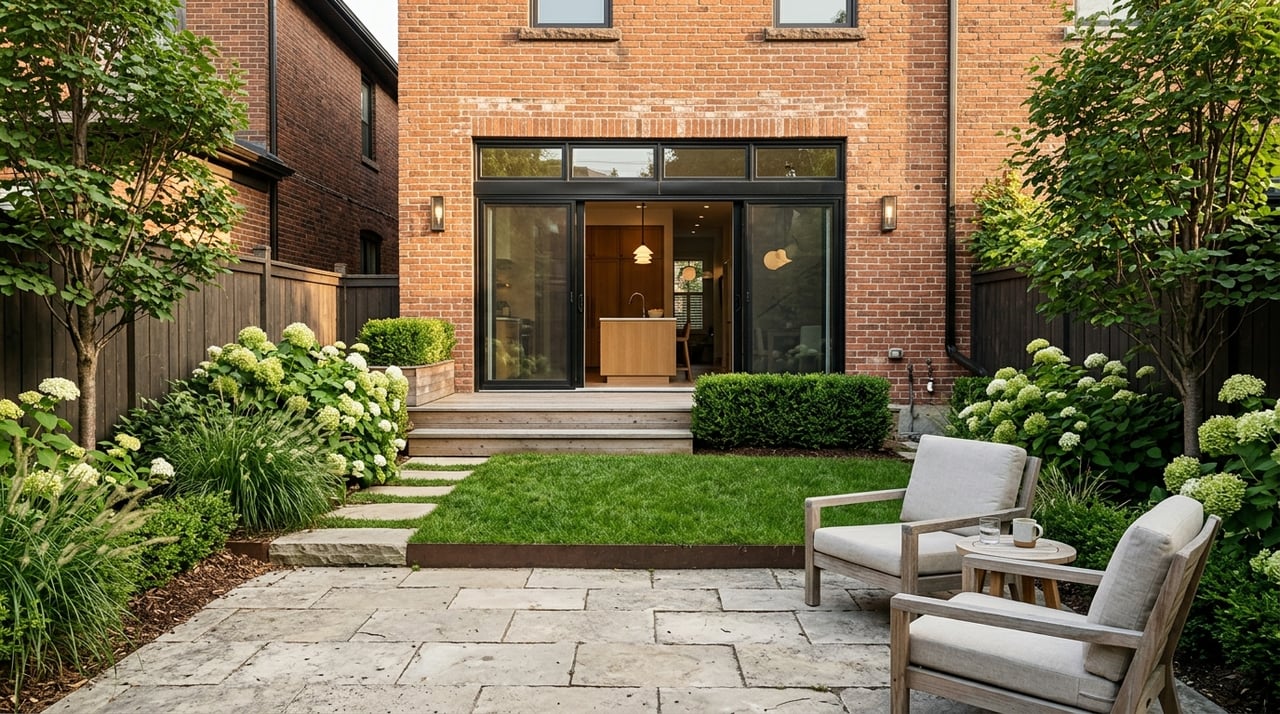
If you are trying to choose between a house and a townhome in Leslieville, you are not just comparing floor plans. You are also comparing privacy, maintenance, monthly costs, and how each home fits into one of Toronto’s most distinct low-rise neighbourhoods. The right choice depends on how you want to live, what you want to spend, and how much responsibility you want to take on. Let’s dive in.
Leslieville Has Its Own Housing Rhythm
Leslieville is not a one-size-fits-all market. Along Queen Street East, the area is known for its low-scale, heritage-sensitive character, small businesses, fine-grained lot pattern, and pedestrian-oriented feel. The area also includes local parks like Jimmie Simpson Park and Leslie Grove Park, which add to the everyday appeal of the neighbourhood.
That context matters when you compare houses and townhomes here. In Leslieville, the decision is often less about the label on the listing and more about the specific street, lot, ownership structure, and long-term carrying cost. A home that looks similar on paper can feel very different once you factor in outdoor space, shared walls, and upkeep.
What Counts as a House or Townhome?
Detached and Semi-Detached Houses
A detached house is a free-standing home. A semi-detached house shares one wall with another home. In a freehold setup, you are generally responsible for the whole property, including the roof, exterior walls, lawn, driveway, and garage.
That usually gives you more privacy, more control over your outdoor space, and more flexibility over time. It also means you take on more maintenance and more repair costs. If the property is designated or sits within a heritage context, exterior changes may require City approval through a heritage permit.
Townhomes
A townhouse, or row house, is one of several similar homes joined side by side with shared walls. In Ontario, a townhome can be freehold or condominium. That difference is important because ownership structure affects both your monthly costs and your responsibilities.
With a freehold townhome, you are generally responsible for the full property. With a condo townhome, you typically own the interior while the condo corporation manages shared exterior or common elements. Fees may help cover snow removal, landscaping, cleaning, building systems, security, insurance for common areas, and reserve fund contributions.
The Semi as a Middle Ground
If you feel stuck between a house and a townhome, a semi-detached home can be the compromise. You get more independence than a townhome, but usually at a lower price point than a detached home. For many buyers in Toronto, that middle ground is exactly the sweet spot.
How Price Differences Usually Show Up
Toronto-wide averages from March 2026 offer a useful benchmark for the price ladder many buyers are working with. In the 416, detached homes averaged about $1.613 million, semi-detached homes about $1.232 million, and townhouses about $959,513. These are not Leslieville-specific numbers, but they help show how each property type tends to sit in relation to the others.
Because Leslieville is shaped by prevailing lot size, configuration, setbacks, and dwelling type, exact pricing can vary a lot from one street to the next. A compact townhome on one block and a renovated semi on another may reflect very different value drivers. That is why local context matters as much as citywide averages.
Monthly Costs Matter More Than Purchase Price
A lower list price does not always mean a lower cost of ownership. One of the biggest mistakes buyers make is comparing only the sale price and not the full monthly carry. In Leslieville, that can lead to a very different answer when you compare a freehold house to a condo townhome.
Ongoing ownership costs can include:
- Mortgage payments
- Property taxes
- Home insurance
- Utilities
- Condo fees, if applicable
- Routine repairs and maintenance
Toronto’s 2026 residential total property tax rate is 0.767311%. The City’s example shows that on a home assessed at $692,140, annual property tax would be about $5,311. Buyers in Toronto also pay both provincial and municipal land transfer tax, and typical closing costs often run about 1.5% to 4% of the purchase price.
If you are looking at a newly constructed or substantially renovated home, Ontario says HST applies. Resale homes are treated differently. This is one more reason to compare the full cost picture before you decide.
Houses in Leslieville: When They Make Sense
More Control and Privacy
If you want more separation from neighbours, a house will usually offer that. Detached homes provide the most privacy, while semis still give you a stronger sense of independence than an attached row of townhomes. That extra breathing room is often a major draw for buyers planning a longer stay.
Outdoor Space and Flexibility
A freehold house usually gives you more control over your yard and exterior space. For some buyers, that means room for gardening, entertaining, storage, or simply having more private outdoor use. It can also support longer-term plans if you want a property with more flexibility over time.
Toronto also allows laneway suites on lots with detached houses, semi-detached houses, townhouses, and other low-rise houses, subject to site conditions and approvals. That does not mean every property qualifies, but it is a useful question to explore if future flexibility matters to you.
More Maintenance Responsibility
The tradeoff is simple. With more control comes more responsibility. If the roof needs work, the exterior needs repairs, or the driveway needs attention, that is usually on you in a freehold setup.
For some buyers, that is worth it. For others, especially if your schedule is already full, the extra upkeep can feel like more than you want to manage.
Townhomes in Leslieville: When They Make Sense
A Ground-Oriented Alternative
If you are moving up from a condo and want your own front door, a townhome can be an attractive next step. You get a ground-oriented home in Leslieville without taking on the budget or upkeep that often comes with a detached house. That can make townhomes especially appealing for buyers who want a simpler ownership experience.
Potentially More Predictable Maintenance
Condo townhomes can offer more predictable monthly maintenance because some exterior work and shared services are handled through condo fees. Depending on the property, those fees may cover snow removal, landscaping, insurance for common areas, and reserve fund contributions. That can make day-to-day ownership feel more manageable.
Of course, fees do not make costs disappear. They simply package some expenses differently. The key is to understand exactly what those fees cover before you buy.
Tradeoffs in Space and Privacy
In Leslieville’s low-scale fabric, townhomes often fit naturally into the block pattern. At the same time, the attached form usually means a narrower footprint and less private outdoor space than a detached home. If privacy and yard space sit at the top of your wish list, that tradeoff may feel significant.
A Simple Comparison
| Property Type | Typical Strengths | Typical Tradeoffs |
|---|---|---|
| Detached House | More privacy, more control, more outdoor space | Higher price, more maintenance responsibility |
| Semi-Detached House | Balance of privacy and budget, more independence than a townhome | Still more upkeep than many condo townhomes |
| Townhome | Lower entry point than many houses, ground-oriented living, possible shared maintenance | Shared walls, less private outdoor space, possible condo fees |
Questions to Ask Before You Choose
The best Leslieville purchase is usually the one that fits your lifestyle as much as your budget. Before you commit to a house or townhome, it helps to slow down and ask a few practical questions.
Is the Townhome Freehold or Condo?
This affects both control and monthly costs. If it is a condo townhome, ask what the fees cover and what remains your responsibility. That one detail can change the entire ownership experience.
Is There a Heritage Factor?
If the home is older, ask whether it is listed or designated and whether exterior changes may require a heritage permit. In a heritage-sensitive area like Leslieville, this is an important part of your due diligence. It can affect renovation plans, timelines, and budget.
How Much Outdoor Space Is Truly Private?
A listing may mention a yard, terrace, or outdoor area, but the real question is how that space functions. Some of the lot may be affected by setbacks, driveways, or shared elements. If outdoor living matters to you, look closely at what you are actually getting.
What Is the Real Monthly Carry?
Always compare the full monthly picture. That means mortgage, taxes, insurance, maintenance, utilities, and any condo fees. A house may cost more upfront but have no condo fees, while a townhome may be more affordable to buy but carry regular monthly fees.
So, Which Is the Right Fit in Leslieville?
If you want more privacy, more control, and more long-term flexibility, a detached or semi-detached house may be the better fit. If you want a ground-oriented home with a lower entry price than many houses and, in some cases, a more predictable maintenance setup, a townhome may make more sense. In many cases, the semi-detached option lands right in the middle.
In Leslieville, this choice is especially local. Because the neighbourhood is shaped by low-rise character, heritage considerations, and lot-by-lot differences, the best answer often comes down to the specific property rather than the category alone. A smart decision starts with matching your budget, lifestyle, and tolerance for upkeep to the right home on the right street.
If you want help comparing Leslieville houses, semis, and townhomes with a clear eye on value, monthly costs, and long-term fit, Amanda Beecham can help you narrow the options and move forward with confidence.
FAQs
What is the main difference between a Leslieville house and a Leslieville townhome?
- A house usually offers more privacy, more control over the property, and more outdoor space, while a townhome often offers a lower entry price and may involve less exterior upkeep depending on whether it is freehold or condo.
Are Leslieville townhomes always cheaper than Leslieville houses?
- Toronto-wide March 2026 averages show townhouses generally priced below detached and semi-detached homes, but Leslieville prices can vary by street, lot, setbacks, and ownership structure.
What should buyers ask about Leslieville condo townhome fees?
- You should ask what the fees cover, such as snow removal, landscaping, insurance for common areas, reserve fund contributions, and other shared services.
Do Leslieville houses always come with more maintenance?
- In a freehold setup, you are generally responsible for the roof, exterior walls, lawn, driveway, and other repairs, so maintenance is usually more hands-on than in many condo townhome arrangements.
Can a Leslieville property have heritage restrictions?
- Yes. If a home is listed, designated, or located within a heritage context, some exterior changes may require City approval through a heritage permit.
How should buyers compare the true cost of a Leslieville house versus townhome?
- You should compare the full monthly carry, including mortgage, property taxes, insurance, utilities, maintenance, and any condo fees, rather than looking at purchase price alone.