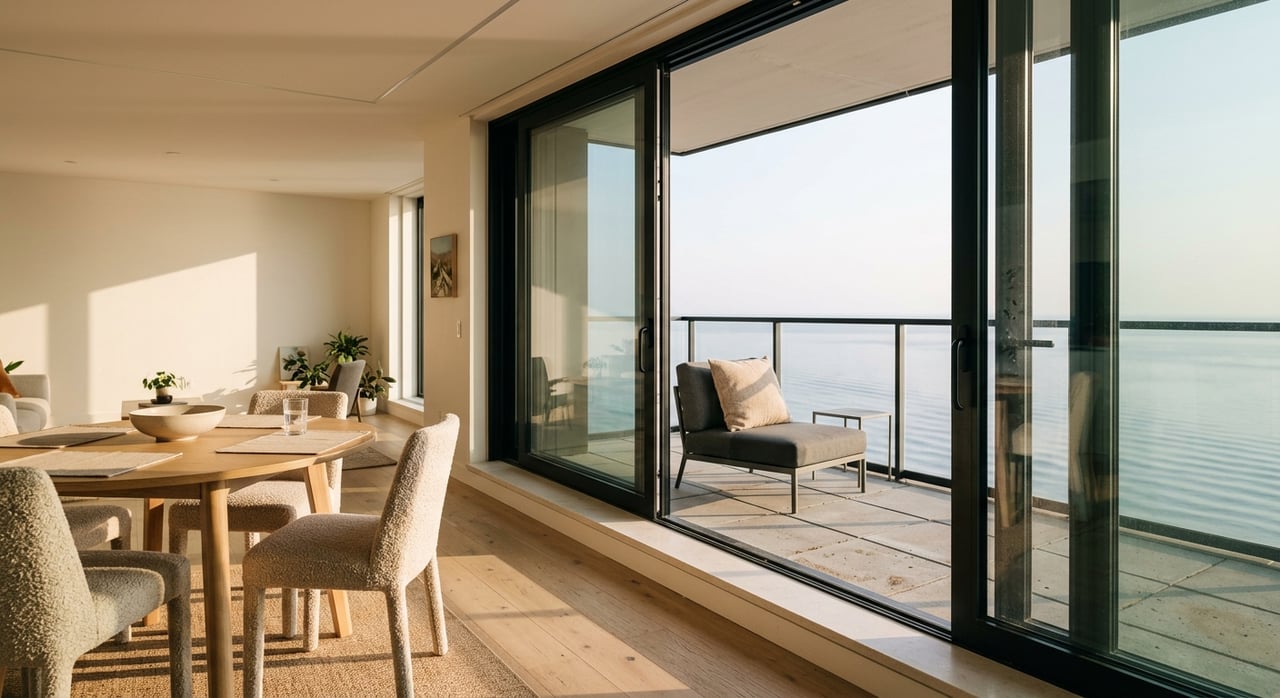
If you picture your first Toronto condo as more than four walls and a gym, Harbourfront likely keeps coming up for a reason. This part of downtown offers lake access, promenades, transit, ferry connections, and public spaces that shape daily life in a very different way than a typical core condo purchase. If you are thinking about buying here, you need to balance the lifestyle upside with smart due diligence on building finances, fees, and view risk. Let’s dive in.
Why Harbourfront Feels Different
Harbourfront is not just a cluster of condo towers near the water. City planning frames it as a mixed-use waterfront district with residential, commercial, park, recreational, and cultural uses, while also protecting important views to the Inner Harbour and Toronto Bay.
That matters because your buying decision here is often about the full setting, not only the suite. You are buying into a neighbourhood where public space, walkability, and daily access to the waterfront are a big part of the value.
Harbourfront Centre alone sits on a 10-acre site south of Queens Quay West, and the area draws major visitor activity throughout the year. Nearby spaces like Love Park, Canada’s Sugar Beach, and the Water’s Edge Promenade add to the appeal and help explain why many buyers see Harbourfront as a lifestyle-first purchase.
Harbourfront Lifestyle Basics
For many first-time buyers, Harbourfront stands out because it combines downtown access with a more open, waterfront feel. Queens Quay acts as the central east-west corridor, and the 509 Harbourfront and 510 Spadina streetcars connect you directly to Union Station and the waterfront.
You are also close to the Jack Layton Ferry Terminal at 9 Queens Quay West. If you like the idea of being able to walk the promenade, hop on transit quickly, and stay connected to the rest of downtown, Harbourfront has a strong practical case along with the visual one.
Still, this is also an area with visitors, events, and active public spaces. That means your everyday experience can change depending on the season, the building location, and how sensitive you are to crowds and street activity.
What the Current Condo Market Means
Market conditions can shape how confident you feel as a first-time buyer. In Q1 2026, TRREB reported 2,249 Toronto condo-apartment sales at an average price of $649,330, while active listings remained elevated and GTA condo sales were down year over year.
For you, that can mean more choice and more time to compare buildings than in a tight seller’s market. Instead of rushing toward the first decent listing, you may be able to compare fee levels, suite layouts, building finances, and exposure more carefully.
What to Look for in a Harbourfront Condo
In Harbourfront, building placement and suite exposure matter a lot. The area’s planning framework puts a strong emphasis on design, pedestrian-friendly streets, and careful control of building height, scale, and orientation to preserve views.
That means the details of where your unit faces are not minor. In many Harbourfront buildings, the difference between a great purchase and an average one comes down to view lines, privacy, light, and what might be built nearby in the future.
Check the Suite Exposure
When you tour a condo, ask yourself a few simple questions:
- Does the unit face open water, another tower, or a site that could be developed later?
- Is the floor high enough to clear nearby rooftops?
- Does the layout actually make the most of the view?
- How much natural light do you get during the day?
- How much street or event noise reaches the suite?
A pretty listing photo does not always tell the full story. In waterfront buildings, the best suite is often the one that balances view, sunlight, privacy, and noise, not just the one with the highest floor.
Decide If a Lake View Is Worth It
A better view can affect value, but there is no fixed Harbourfront formula. One recent high-rise valuation study found approximate premiums of 11% for partial views and 22% for full views compared with no view in its case study.
The key takeaway is not the exact percentage. It is that buyers do tend to pay more for better views, but the premium depends on the building, the layout, the exposure, and the wider market.
In Harbourfront, the premium is usually a bundle. You are often paying not just for water itself, but for lake access, walkability, transit connections, and the overall public realm.
Budget Beyond the Purchase Price
One of the biggest first-time buyer mistakes is focusing too much on the purchase price and not enough on monthly carrying costs and one-time closing costs. In Harbourfront, where many towers offer extensive common elements, that can become expensive fast if you are not prepared.
Understand Condo Fees
Condo fees, also called common expense or maintenance fees, pay for shared building costs such as parking garages, hallways, lobbies, recreation centres, elevators, and reserve fund contributions. Your share is based on the unit’s common-expense percentage, which is usually tied to size and can also reflect parking and locker rights.
This is why two similar Harbourfront units can have very different monthly costs. A building with more amenities and more common space may cost more to carry each month, even if the suite size is similar.
Before you buy, compare:
- Monthly condo fees
- What utilities are included
- Whether parking and locker are part of the ownership
- The building’s amenity load
- The building’s fee history
Watch for Special Assessments
Special assessments are extra one-time charges that condo corporations can levy when there is an unexpected shortfall, under-budgeting, or litigation expense. Owners must pay them, and unpaid amounts can lead to a lien against the unit.
For a first-time buyer, this is one of the clearest financial risks to investigate. A unit that looks affordable on paper can become much less comfortable if the building has weak finances or upcoming costs.
Review the Reserve Fund
A reserve fund study is one of the most important building health checks. In Ontario, reserve fund studies include a physical and financial analysis, a 30-year funding plan, and recurring updates, and boards must review the study and propose future funding after receiving it.
You do not need to become a condo finance expert overnight. You do need to know whether the building appears to be planning ahead or reacting to problems after they happen.
Know Your Insurance Responsibilities
The condo corporation’s insurance covers standard building property and liabilities, but you should still carry your own condo insurance for belongings and upgrades. This is especially important if the unit has finishes or improvements that go beyond the standard unit definition.
That standard unit definition helps clarify what the owner is responsible for versus the corporation. Common examples in owner responsibility can include items like appliances and flooring, while the corporation’s side may include parts of walls, doors, and plumbing depending on the building documents.
Plan for Land Transfer Tax
Toronto buyers pay both provincial and municipal land transfer tax. If you are an eligible first-time buyer, Ontario’s refund can be up to $4,000 and Toronto’s municipal rebate can be be up to $4,475.
Those rebates can make a meaningful difference to your closing budget. Still, eligibility conditions and paperwork matter, so it is wise to confirm the details with your lawyer before you firm up your numbers.
If you are considering a newly built condo, remember that tax treatment can differ from resale. That is another reason to confirm closing costs early rather than relying on rough estimates.
Resale Versus New Build
A first Harbourfront buyer often asks whether resale or new build is the better route. The answer depends on your budget, timeline, and comfort with risk.
For resale condos, one of the most important documents is the status certificate. It can cost up to $100, must be provided within 10 days, and may include the corporation’s governing documents, budgets, audited financials, reserve fund information, fee increases, special assessments, insurance certificates, and litigation.
That document is not a formality. It is one of the best tools you have for understanding the financial and legal condition of the building, and your lawyer should review it carefully.
For newly built condos, the key document is a disclosure statement rather than a resale status certificate. So if you are comparing new and resale options in Harbourfront, remember that the due diligence process is not identical.
Questions You Should Not Skip
Buying your first Harbourfront condo is easier when you ask the right questions early. These are some of the most useful ones to bring into your search:
- How has the building’s condo fee changed over time?
- How strong does the reserve fund appear to be?
- Have there been any special assessments?
- How much of the budget supports amenities and common areas?
- Does the suite’s current view depend on land that could be developed later?
- What exactly is included in the monthly fee?
- Is this building’s lifestyle a good match for how you actually live?
These questions help you move from “Do I like this unit?” to “Is this a smart purchase for me?” That shift is where better first-time buying decisions usually happen.
Test the Building in Real Life
One of the best things you can do in Harbourfront is spend time there before you buy. Walk the route to Union Station, Queens Quay, and the ferry terminal on a weekday and again on a weekend.
Notice the street activity, the pace, the noise, and the flow of people. A suite can look perfect online, but the right building for you should also feel right in real life.
The Best First Purchase Is Balanced
Harbourfront can be a fantastic first condo choice if you want a downtown home with a strong lifestyle component. The waterfront setting, public spaces, and transit access give it a distinct appeal that many buyers do not find elsewhere in the core.
At the same time, a smart purchase here stays grounded in the numbers. The right condo is not just the one with the nicest view. It is the one that matches your budget, fits your day-to-day life, and sits in a building with finances and documents you can feel good about.
If you want a clear, building-specific strategy for buying your first Harbourfront condo, connect with Amanda Beecham for tailored guidance and a smoother next step.
FAQs
What makes Harbourfront different from other downtown Toronto condo areas?
- Harbourfront combines condo living with waterfront promenades, major public spaces, ferry access, and direct streetcar connections, so the value is often more lifestyle-driven than in a standard downtown location.
What should first-time buyers review before buying a Harbourfront resale condo?
- You should review the status certificate, condo fee history, reserve fund information, any record of special assessments, the building’s insurance details, and whether the suite’s view could be affected by future development.
Are higher condo fees common in Harbourfront condo buildings?
- They can be, especially in buildings with more amenities and larger common areas, since condo fees help pay for shared spaces, services, and reserve fund contributions.
Is a lake view worth paying more for in a Harbourfront condo?
- It can be, but the value depends on the building, the layout, the exposure, privacy, sunlight, noise, and the risk that future development could affect the view.
What closing costs should first-time Harbourfront condo buyers expect in Toronto?
- In addition to your down payment and legal costs, you should budget for both provincial and Toronto municipal land transfer tax, while also checking whether you qualify for first-time buyer rebates.
Should a first-time buyer choose a Harbourfront new build or resale condo?
- It depends on your goals, but resale and new-build purchases involve different due diligence, with resale buyers reviewing a status certificate and new-build buyers reviewing a disclosure statement.