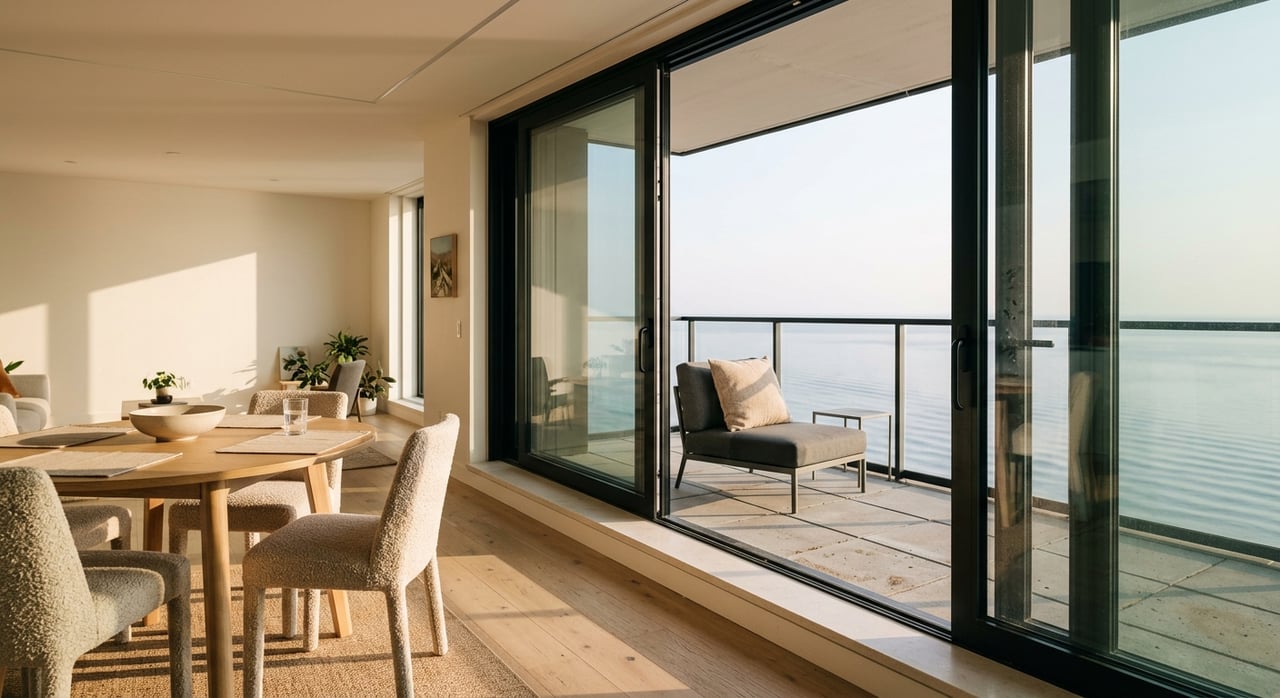
Two Harbourfront condos can look identical on paper, yet perform very differently over time. If you are eyeing Queens Quay, small details like future view risk, amenity costs, or a reserve fund plan can change your monthly budget and long‑term value. This guide shows you exactly how to compare buildings with confidence.
You will learn how to assess views and exposure, amenity packages, building age and envelope risk, management and financial health, and how nearby development and transit may affect each building. You will also get a simple comparison framework, two quick buyer checklists, and a mini example to estimate a potential special assessment. Let’s dive in.
Why Harbourfront comparisons are different
Harbourfront is Toronto’s waterfront district along Queens Quay, lined with parks, promenades and a high concentration of condo towers. The area is evolving, with major multi‑phase projects like East Bayfront and the Port Lands adding new parks, streets and buildings. You can review area plans and timelines on Waterfront Toronto’s project pages.
What this means for you:
- Nearby construction can temporarily affect noise, routes and views.
- New parks and amenities can support value, while new towers can change sightlines and resale premiums.
- Always add an area‑change check for any building you shortlist.
You can scan parcel‑level plans and updates through Waterfront Toronto and the City’s Port Lands planning page. For transit and service notices, check the TTC’s updates, such as this example of a recent service change notice on the TTC news page.
Start with views and view risk
A Harbourfront view can carry a real premium. Studies show that unobstructed waterfront or skyline views can command measurable uplifts, which vary by quality and floor height. See the research on view premiums in this peer‑reviewed analysis.
What to check for each unit line:
- Exact exposure and floor: south lake view, partial lake or skyline, east or west exposure.
- Corner vs interior line: corner lines often have more glazing and light.
- Balcony and window type: glazing and condition can affect enjoyment and future costs.
- View risk: scan adjacent parcels for approved or proposed towers.
How to verify:
- Cross‑check nearby parcels on Waterfront Toronto’s site and the East Bayfront project page.
- Walk the block for municipal planning notices and staging areas.
Red flags:
- A “water view” that looks over a low‑rise or parking lot on a developable parcel.
- Recent or active planning applications next door.
Compare amenity packages and fees
Amenities are great, but they are not free. Even if you never use the pool, you help fund it through monthly common expenses. The CMHC condominium buyer’s guide explains how condo fees work and what they often include.
What to inventory:
- Concierge and security hours, gym size and equipment age, pool/spa, party room and BBQ terrace, guest suites, pet wash, visitor parking, co‑working, theatre, in‑house management office.
- Which items are included vs have user fees. Ask for usage rules and booking history.
Tip: Pools, spas and outdoor terraces have finite lifecycles and higher repair costs. If you will not use a big amenity, consider a building with a leaner package and lower fee base.
Age, construction and envelope risk
Harbourfront includes 1970s to 1990s towers with larger floor plans and many 2000s to 2020s buildings with modern systems. Age signals different risks.
Key checks:
- Reserve fund study cycle: Ontario requires a study within the first year and at least every three years thereafter. Confirm the date of the last study and whether the board adopted its funding plan in line with Ontario’s regulation.
- High‑cost components: windows and façade, parkade waterproofing, elevators, HVAC plant, balcony membranes and railings. The methodology and common elements are outlined in the Professional Engineers Ontario guideline.
If the reserve fund is low relative to the study’s recommendations, price in a higher chance of fee increases or a special assessment.
Management, governance and financial health
Strong governance lowers risk. Your priority documents are the status certificate and its attachments. The Condominium Authority of Ontario explains what it must include and how to request it. Review the guidance here: status certificate overview.
What to review:
- Status certificate package: governing documents, budget, reserve balance, insurance summary, litigation disclosure.
- Reserve fund study and audited financials for 2 to 3 years.
- AGM and board minutes for 12 to 36 months.
- Management: ask if the corporation is self‑managed or uses a licensed provider. You can learn about good governance practices through CCI’s resource centre.
Flags:
- Frequent director turnover, repeated special assessments, large arrears, high insurance deductibles, deferred projects in minutes, or management concerns.
Spot special assessments and litigation early
Special assessments and litigation can change your holding cost and resale timeline. The status certificate must disclose material litigation, and minutes often reveal planned assessments. Use the status package, reserve study and recent minutes to model both recurring fee changes and one‑time levies.
Area development and transit checks
Area change is a permanent part of the waterfront story. Monitor:
- Ongoing projects: See upcoming parks, streets and buildings through Waterfront Toronto and the City’s Port Lands planning hub.
- Transit works and service adjustments: Queens Quay streetcar work can affect commute convenience and noise during construction. Review current service notices on the TTC news page.
Short term disruptions can be temporary, but new parks and streets often boost long‑term liveability and liquidity.
A simple comparison framework
Use this five‑part lens to compare two Harbourfront units that feel similar on price per square foot.
- Total monthly carrying cost
- Mortgage + condo fees + property tax share + utilities not covered + parking. Source fees from the listing and status package. See the fee overview in the CMHC condo guide.
- Near‑term capital risk score
- From the reserve fund study and minutes, score 0 to 10 for imminent projects like façade, parkade or elevators. Use lifecycles and cost ranges informed by the PEO guideline.
- View premium vs view risk
- Estimate how much you are paying for the view. If adjacent parcels can rise, treat part of that premium as speculative. See evidence of view premiums in this study.
- Amenity ROI
- Break the fee into operating vs reserve, if available. If a costly amenity drives fees but you seldom use it, adjust your preference or price.
- Governance multiplier
- Reward buildings that show transparent minutes, licensed management, clean audits and timely maintenance. These reduce the probability of surprise costs.
Two quick checklists
If you plan to live there
- Confirm exact exposure, floor and view risk using Waterfront Toronto.
- Compare concierge hours, gym capacity, and guest suite availability.
- Ask what fees include and what utilities you pay out of pocket.
- Review the last reserve fund study date and whether the board adopted its plan under Ontario’s requirements.
- Read the last 12 to 24 months of minutes for deferred projects.
- Check the master insurance summary and deductibles in the status package.
- Note any upcoming TTC or streetscape work that may affect your daily routine.
If you plan to rent or invest
- Verify rental and short‑term rental rules in the status package and bylaws.
- Compare fee levels and recent increases year over year.
- Review audited financials and arrears levels for stability.
- Score near‑term capital projects from the reserve study.
- Confirm parking and locker policies and market rents for each.
- Weigh transit access and walkability, including current TTC notices.
- Favor buildings with clear governance practices via CCI’s resource.
Mini example: estimate a potential assessment
Scenario: The reserve fund study lists a façade and window project estimated at 6,000,000 dollars in the next 3 years. Your unit’s share of common elements is 0.28 percent. The corporation has not adopted increased contributions to match the recommendation.
- Estimated unit share: 6,000,000 × 0.0028 = 16,800 dollars.
- If funded through a 24‑month special assessment: about 700 dollars per month, on top of fees.
This is a simplified illustration. Use the actual reserve study, minutes and status certificate for real numbers, and apply engineering guidance similar to the PEO reserve planning guideline. Always have your lawyer review the status package before waiving conditions.
What to request before you waive conditions
Your must‑have documents:
- Status certificate and full attachments, as outlined by the Condominium Authority of Ontario.
- Latest reserve fund study and any engineering or envelope reports, per Ontario regulation.
- Audited financial statements for the last 2 to 3 years and current budget.
- AGM and board minutes for the last 12 to 36 months.
- Insurance certificate and deductible schedule.
- Management provider name and licence details, with governance context from CCI.
Final thought: In Harbourfront, the best decision pairs a building deep‑dive with an area change check. If you want an expert second set of eyes on your shortlist, reach out to Amanda Beecham for a focused Harbourfront building consult.
FAQs
What is a condo status certificate in Ontario and why does it matter?
- It is the official package that discloses a condo corporation’s budget, reserve balance, insurance, governing documents and litigation; review it carefully using the CAO’s guidance before waiving conditions.
How can I check if my Harbourfront lake view is at risk of being blocked?
- Scan nearby parcels for proposed towers using Waterfront Toronto’s project pages and walk the site for planning notices; treat any view premium as at risk if adjacent lots are developable.
Are Harbourfront condo fees higher because of amenities like pools?
- Amenities increase operating costs and reserve needs; review fee inclusions in the CMHC condo guide and ask for lifecycle dates in the reserve study.
How do TTC streetcar changes affect a Queens Quay building’s value?
- Short‑term track or overhead work can affect noise and access, while long‑term improvements may boost convenience; review current notices on the TTC news page.
How often must Ontario condos update reserve fund studies?
- A study is required within the first year of registration and at least every three years; confirm dates and adoption of the plan under Ontario’s regulation.
What governance signs suggest a well‑run Harbourfront building?
- Clear minutes, timely maintenance, clean audits, realistic reserve funding and licensed management; learn governance fundamentals through CCI’s resource.